Amber Shore
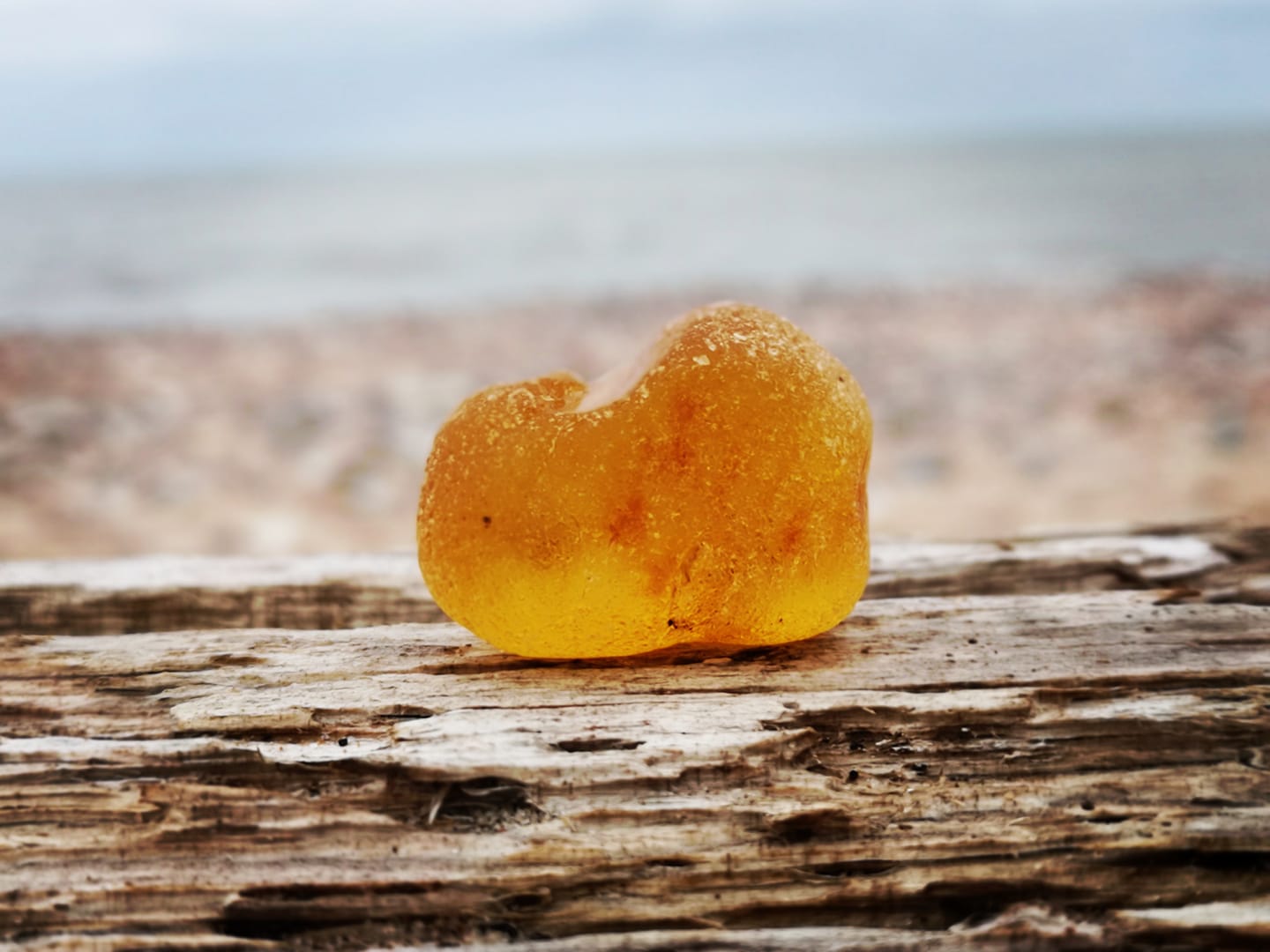
Found something on the beach? Discover if it's genuine Baltic amber.
The Baltic coast holds ancient secrets
Let's identify your find
Upload a photo, describe what you see, and our AI will analyze it.
Upload your find
A clear, well-lit photo gives the best result.
Drag & drop your photo
or click to browse · JPG, PNG up to 10MB
Describe what you found
Answer what you can — choose "not sure" for anything you skip.
What color does it appear in natural light?
Small = fingernail size, Medium = thumb size, Large = palm size
Hold it up to light — can you see through it?
Compare to a similar sized stone — does it feel unusually light?
Run your finger across it — waxy and warm = amber indicator
Look closely — any tiny insects, plants or bubbles inside?
Rub it hard in your palm for 30 seconds, then smell
Rub on wool or hair — does it attract small paper bits?
Baltic amber is 44 million years old — fossilized resin from ancient pine forests that once covered Scandinavia
Baltic amber forms the largest amber deposit on Earth — accounting for 80% of the world's known amber
Only Baltic amber glows blue-green under UV light — caused by its unique chemical composition
Genuine amber always floats in saturated salt water — its density is lower than saltwater
Baltic amber contains 3-8% succinic acid — used in medicine since ancient times
Hippocrates (460-377 BC) described medicinal properties of Baltic amber — the earliest written record
During the 1680 plague, not a single amber craftsman in Riga, Klaipeda or Königsberg died — they burned amber as fumigation
Baltic amber can contain perfectly preserved insects from 44 million years ago — the largest fossil insect repository on Earth
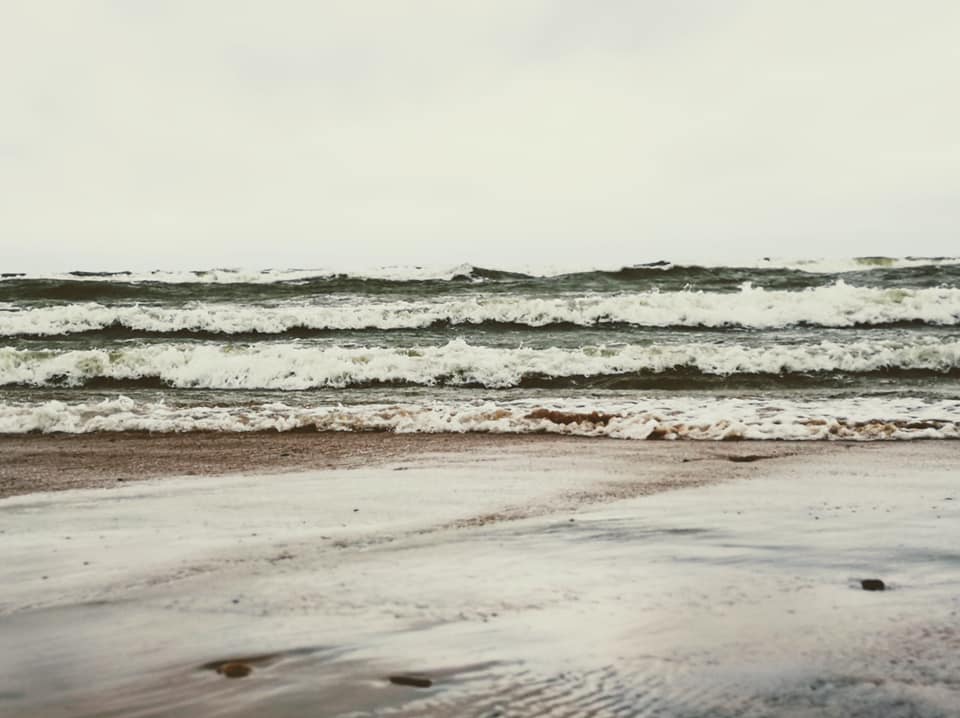
The Baltic Sea coastline produces amber after storms — waves wash pieces from underwater deposits onto beaches
Latvia, Lithuania and Estonia sit at the heart of the Amber Road — the ancient trade route stretching from the Baltic to the Mediterranean
Amber is not a mineral — it is organic fossilized resin, making it one of very few organic gemstones
The word 'electricity' comes from the Greek word for amber 'elektron' — because amber produces static electricity when rubbed